Criminalizing Muslim Identity
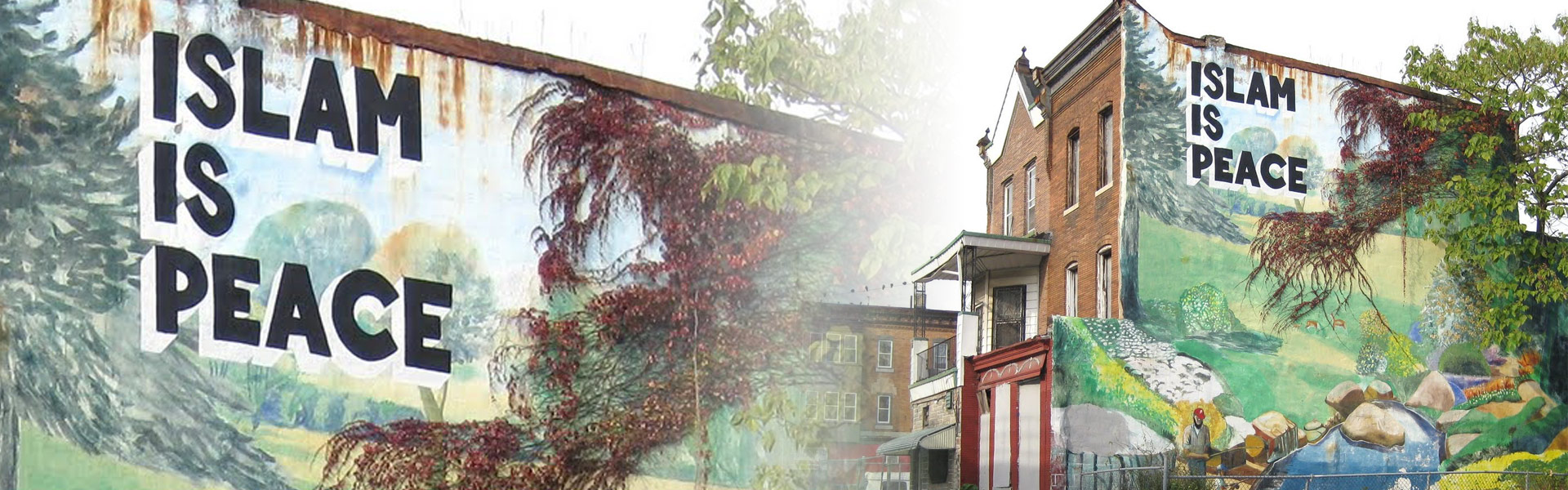
The false association of terrorism and violence with Islam has grave consequences for the liberty interests of Muslims, and those perceived as such. Surveillance, sting operations, targeted immigration enforcement, special registration, and immigration bans are among the myriad ways in which Muslim identity is effectively criminalized.
The criminalization of Muslim identity, unfortunately, is not the first time a minority group has been subjected to repression by the state on account of its racial and religious identity.
Racialized enforcement of criminal and national security laws has a sordid history in the United States. African Americans and Native Americans suffered egregious civil and human rights violations as they were enslaved, forcibly evacuated from their land, lynched, segregated, and marginalized in our nation’s economy and political system. Japanese Americans were interned, Chinese were excluded from entering the United States, and all Asians were denied the right to naturalize as U.S citizens.
Likewise, religious minorities have been persecuted based on false stereotypes that their beliefs were a threat to American values. Catholics’ were presumed to be more loyal to the Pope than to the United States. Jews were suspected of attempting to take over the country as part of a global conspiracy against Christians. Buddhists were deemed godless heathens ineligible from attaining American citizenship.
The Criminalizing Muslim Identity project examines how Muslim identity is criminalized by law, policy, and societal norms with a focus on the structures adversely affecting religious and racial minorities.
Hate Crimes, Terrorism, and the Framing of White Supremacist Violence with Shirin Sinnar
 Islamophobia, September 11th, and the ‘War on Terror’
September 16, 2026
By: Rutgers Center for Security, Race, and Rights
The terror attacks on September 11, 2001 proved a watershed moment for the widening scope of executive authority, expansion of national security practices, shrinkage of civil liberties, and the securitization of Muslim, Arab, Palestinian and South Asian communities. As these systemic changes unfolded, scholars of various disciplines examined the consequences of the post-9/11 era on law, politics, policy, and society. Faculty affiliates of the Rutgers Law Center for Security, Race and Rights are among the leading scholars writing on these topics. Their published books offer a starting point for learning about the wide reaching impact of the aftermath of September 11th.
This resource guide includes books about Islamophobia, 9/11, and the War on Terror that were published by CSRR’s faculty and faculty affiliates.